When understanding yourself becomes your biggest enemy
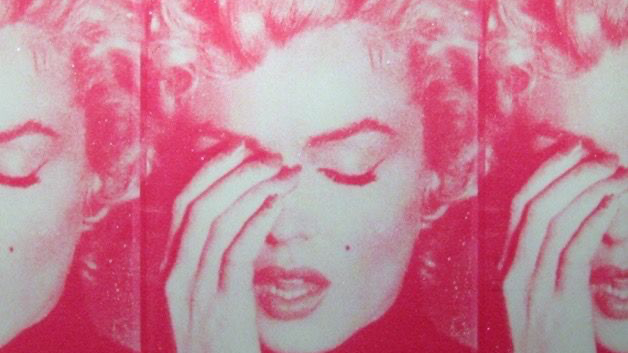
Marilyn Crying by Russell Young
I admire those who haven’t reached a certain state of self-awareness.
When you think about how self-aware you are, you instantly see the good side of it, where you know your limits and understand your behaviours. However, there’s a downside, where you start overthinking little bits of yourself as if they are so revealing that suddenly you feel vulnerable.
I admire those who don’t overthink themselves because they probably never experience the overwhelming feelings that some of us go through.
Knowing who you are is very different from being self-aware. Your version of yourself might be partial, while true self-awareness means knowing what you’re bad at.
Imagine giving a public speech. Deep down, you’ve never truly enjoyed exposure, but you think you do, and when you start trembling and forgetting words during the presentation, you assume it’s only stage fright, but in reality, it means that deep down it affects you more than you care to admit.
Self-awareness means knowing your biggest fears and having to face them without pretending to be brave. While it’s very beneficial to understand your identity at its core, there are still parts of your brain that use your own behaviour as a weapon against your insecurities.
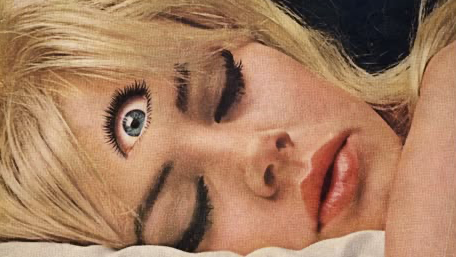
Artwork featuring actress Marisa Mell, 1970s
Imagine being watched all the time and using your flaws to justify your failures, because you observe yourself so closely that every little thing that doesn’t work out feels like your fault.
It’s like having a third eye that’s open even when your eyes are closed. It watches you and makes you doubt your own abilities. You overthink simple situations and turn them into much bigger problems.
Self-awareness is associated with intelligence and is often welcomed by psychologists, but what happens when it becomes your enemy instead of your ally?
Some people who struggle with anxiety, which is almost everyone these days, are probably highly self-aware and end up spending sleepless nights revisiting situations and analysing their actions. They’re stuck in the past while worrying about how it might affect the future.
You become so self-absorbed that you forget to live. That’s why, if you get trapped in this cycle of self-awareness, self-control, and self-improvement, you’ll eventually begin to hate the idea of being controlled by the very rules you’ve created for yourself.
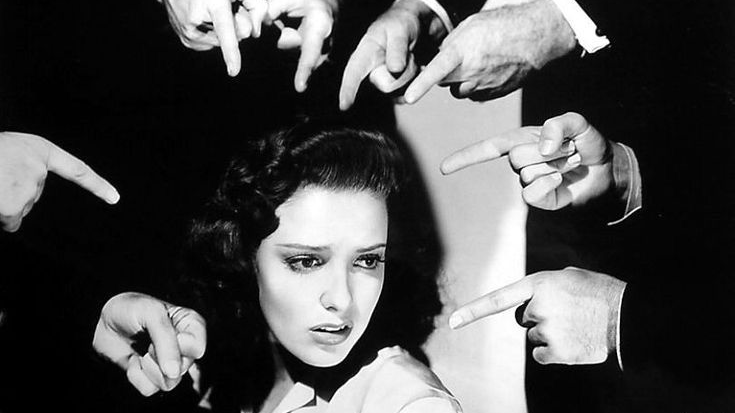
City Without Men (1943)
In the end, it’s all about our selfishness.
We think we are the centre of the universe and begin chasing this kind of perfection because we believe everyone is watching.
The reality is: no one cares.
Being aware of what you want and what you can improve is a good thing, but when it starts ruling your life and making everything seem like a bigger deal than it really is, that’s when you should stop overanalysing.
Not everything is about you, so sometimes you’ve got to stop caring so much and become one of those people who don’t obsess over what they say or what they do.
Be spontaneous, that’s the message of the day.

