How beauty has always been a social currency
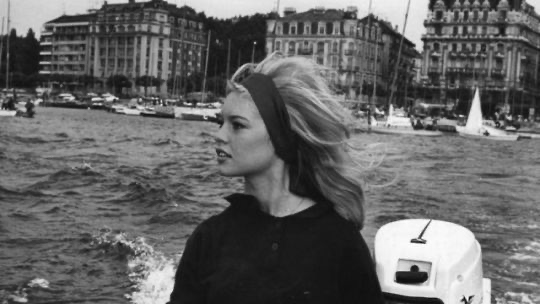
Brigitte Bardot photographed by Ghislain Dussart, 1960s
Pretty privilege is older than we think.
Our recognition of this term only came recently, when people started to realise how some beautiful people can often be ugly on the inside.
Why are terrible people famous? How did they achieve fame with such awful personalities?
Nowadays, because of cancel culture, we’re much more aware when people pretend to be something they’re not. We’ve developed this instinct where we try not to fall for just a pretty face.
For example, Tom Cruise, the famous actor who became popular in the late 80s for playing Maverick in Top Gun. This man is part of a cult called Scientology, where no one really knows what happens behind closed doors. We only know that it has been associated with strange propaganda and accusations involving separating children from their parents.
Tom Cruise was also criticised during his messy divorce from Nicole Kidman, where she accused him of displaying troubling behaviour.
But he still gets major roles and remains one of the most famous actors in Hollywood.
Why? Maybe because we simply can’t resist a pretty face.
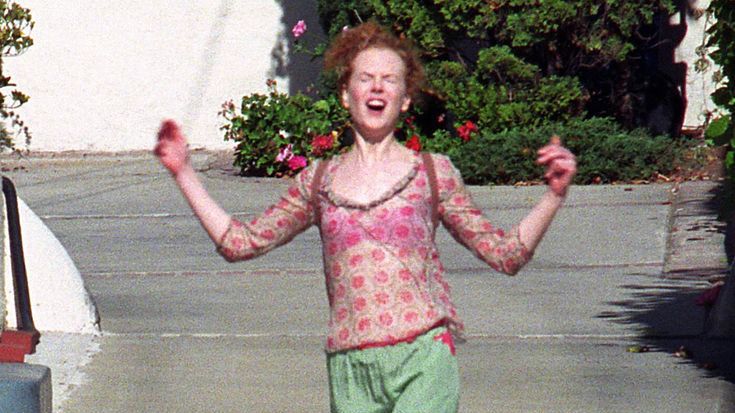
Nicole Kidman post divorce freedom
Nicole got rid of Tom, but why didn’t we? Why do we continue giving fame to attractive people simply because of how they look? Is beauty still one of the main forces ruling humanity?
Another celebrity who was reportedly a terrible person and was still treated as a national treasure was Brigitte Bardot. She was racist, homophobic, and God knows what else.
Brigitte Bardot is still considered a sex symbol even after her death. She was incredibly famous during the Nouvelle Vague era of French cinema, and people still try to copy her hairstyle and appearance simply because she was beautiful.
This is the woman who once said that being pregnant felt like having a tumour sucking the life out of her, the woman who openly despised her own child. Is this really the kind of person we want to mirror ourselves after?
We constantly make excuses to defend celebrities and attractive people simply because they are pleasing to our eyes.
In an era where we try to be moralistic about everything, where we constantly promote speeches about inclusion, we are still nowhere close to stopping the habit of praising beautiful people purely for their looks.
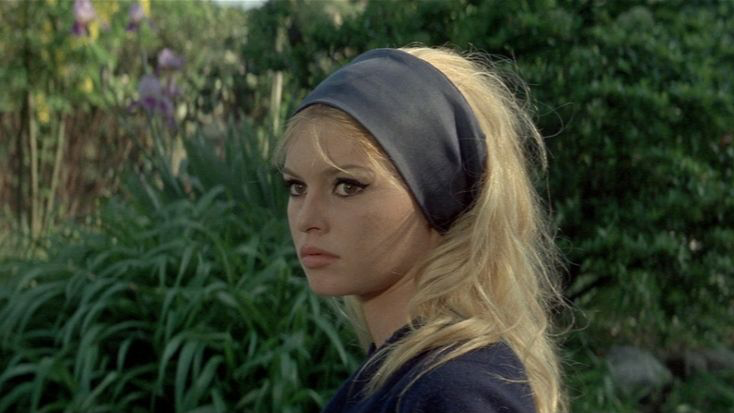
‘le mépris’ (1963)
Maybe the reason we try so hard to be inclusive is because we know how unfair the world is, but deep down beauty standards will always continue shaping the way we think.
This desperate need to fit into impossible beauty standards is exactly why we praise attractive people and continue giving them privileges.
The truth is, you shouldn’t stop taking care of yourself or trying to feel beautiful, but beauty should come second.
It is not the most important thing.
The most important thing is to be kind and human.
Once we stop putting beauty before values, the world might become a little less heavy.
 Stylus.co