APR 23, 2026
The “no-makeup” makeup look is now over, maybe being messy is the answer.
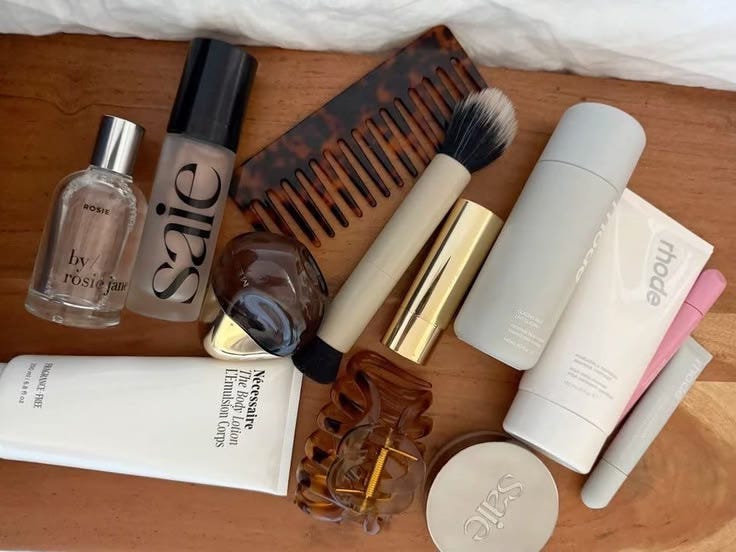
Image via Pinterest / original creator unknown
From romanticising a lifestyle where you wake up at 5 a.m. to make your matcha and do Pilates, to creating a delusional idea of what “natural” actually looks like, the clean girl aesthetic is either finally over — or shifting into something else.
It was never just about being “natural” or enjoying a healthy lifestyle. It was about being productive, controlled, and making your routine look flawless. Naps in the afternoon? I don’t think so. Staying out late with your friends? No! You have to wake up at 6:30 a.m. for a run, remember?
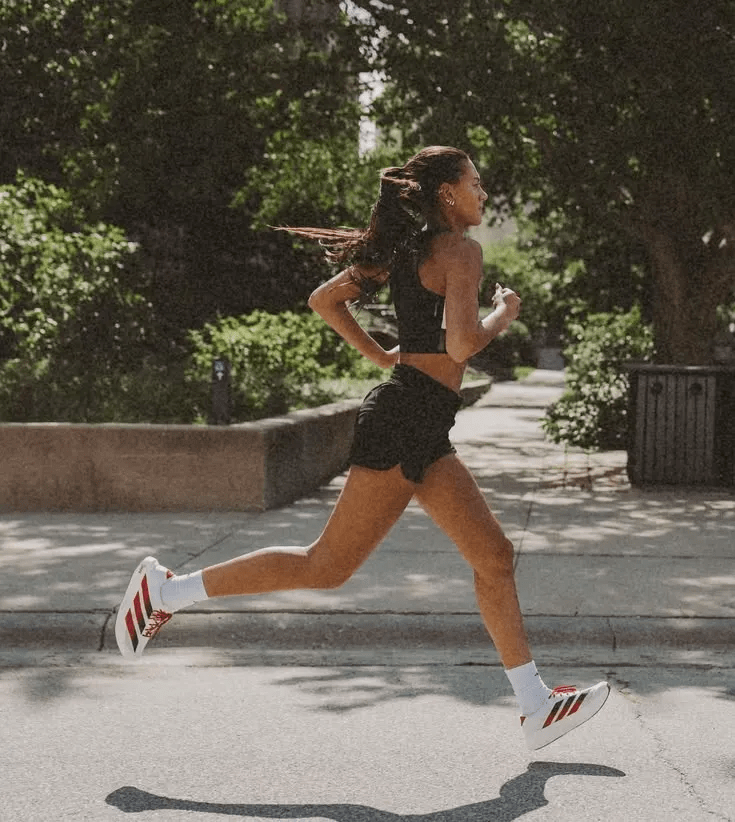
Image via Pinterest / original creator unknown
And of course, being skinny and chasing the “perfect body” was part of the deal.
If you think about it, the clean girl aesthetic mirrors a very conservative ideal: women should be thin, polished, soft, and quietly disciplined. Feminine, but in a very specific, controlled way.
Online trends and media narratives are constantly telling women how to look, and even how to live. Have you ever noticed how men aren’t subjected to the same pressure? There isn’t a viral aesthetic telling them how to achieve a “perfect body” or live a “perfect routine.”
Women are expected to be natural, but flawless. Acne? Unacceptable. Choosing black over pink? Somehow, also wrong.
Since when being natural and having healthy habits become synonymous with being perfect all the time?
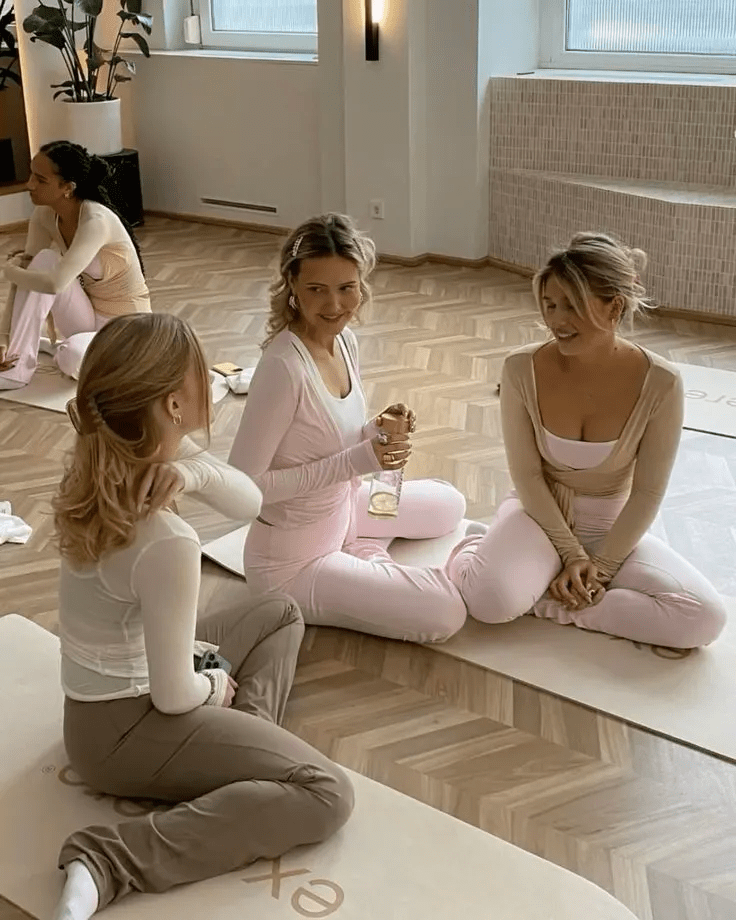
Image via Pinterest / original creator unknown
However, clean girls are now disappearing, and a shift is quietly taking place.
Being authentic — and a little messy — is the new standard. Imperfection is no longer something to hide.
We’ve seen this shift led by celebrities and influencers, who often set the tone for new trends. At this year’s Coachella, for example, Sabrina Carpenter reflected this shift while embracing a femininity that is less restrained, more performative, and unapologetically expressive.
The pop singer, once criticised for being “too sexual,” has become a clear example of this emerging aesthetic.
That “femme fatale” energy, the side every woman carries is something more and more women are beginning to embrace.
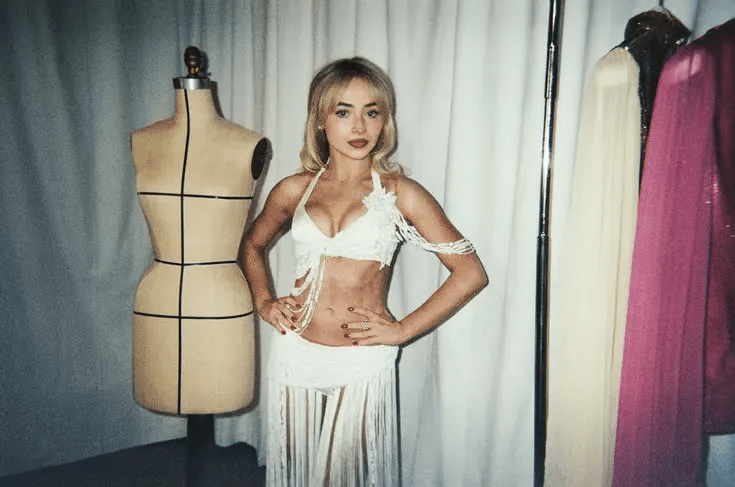
@alfredoflores via Instagram
Furthermore, Sabrina Carpenter serves as a clear example of this shift — a move away from restraint and toward embracing sensuality. Once perceived as the “perfect” girl, she now embodies a femininity that is far more complex than simply being delicate.
Another example of this transformation is Addison Rae. What once began almost as a joke has evolved into a carefully constructed pop persona.
For years, Addison seemed to be trying to fit into an industry that never fully took her seriously. But, like Sabrina, she eventually embraced a version of herself that feels more intentional and less performative in the traditional sense.
Her rebranding marked a turning point. She is no longer just the girl who posted dance videos on TikTok, but someone who has crafted an identity with attitude, one that no longer relies on perfection to be validated.
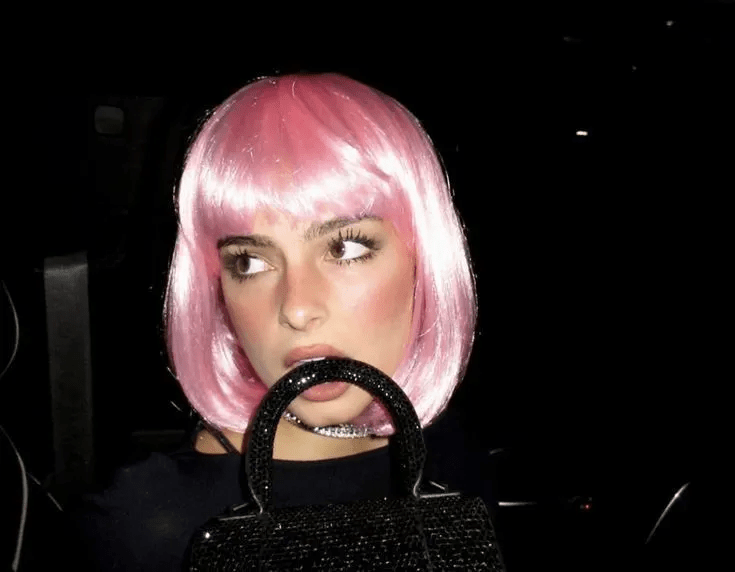
@addisonrae via Instagram
And then there is the “party girl.”
In 2024, the world seemed to pause when Charli XCX released Brat.
Charli had been in the industry for years without fully achieving the recognition she aimed for, not because of a lack of talent, but perhaps because she was following trends rather than creating something entirely her own.
Brat was more than just an album; it became a movement — one that encouraged people to stop apologising for their flaws, their excess, their contradictions. In interviews, Charli herself admitted she never expected its success, describing the project as simply making the kind of music she had always wanted to create.
Being a “party girl” is not just about chaos or late nights, it’s about rejecting the idea that femininity needs to be controlled at all.
Charli XCX embraced the “messy girl” and turned into an unapologetic lifestyle, one that no longer asks for permission.
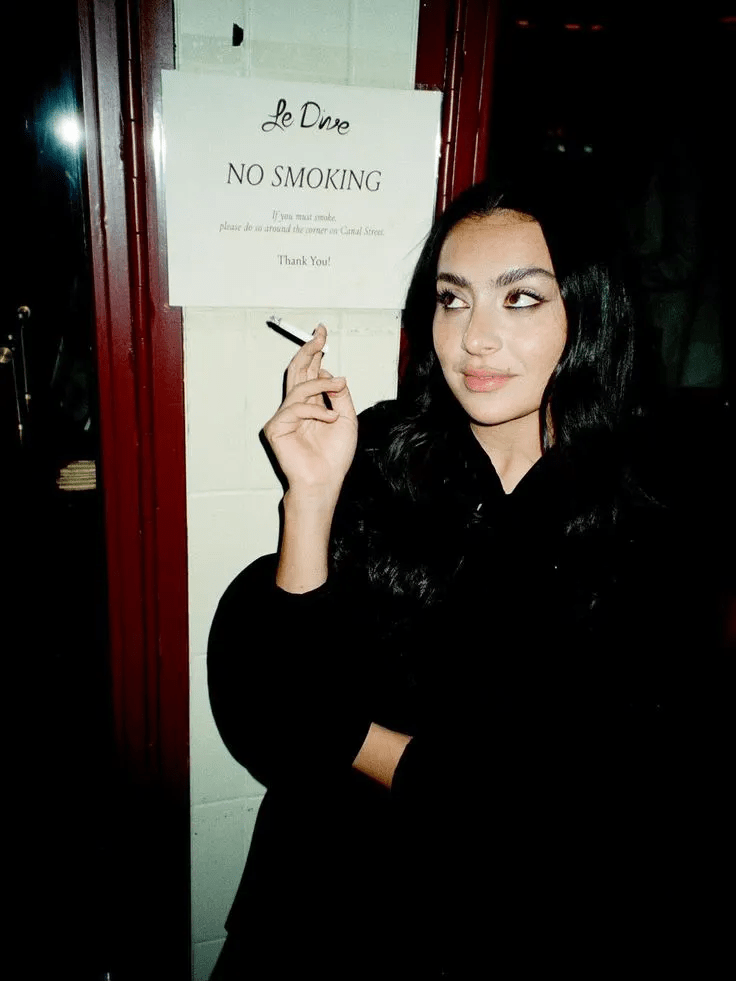
@charli_xcx via Instagram
 Stylus.co